
From CEO to Consultant: Parenting Students With Learning Disabilities in College
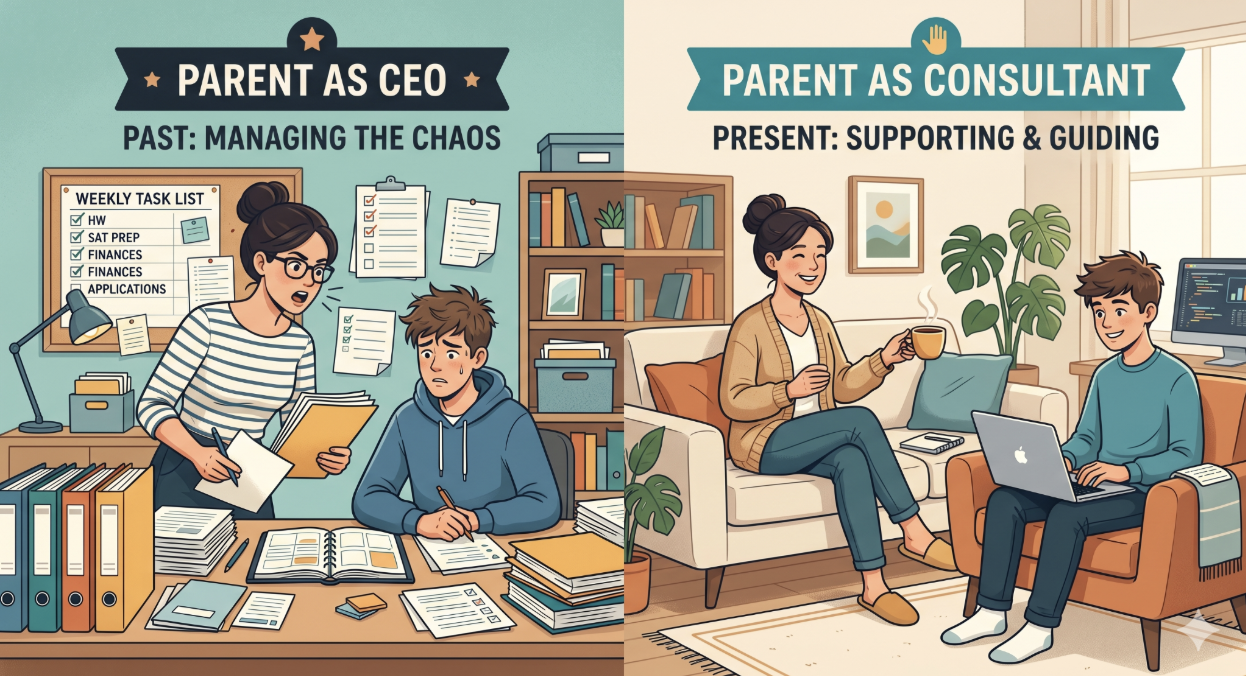
Shifting your parenting role from the CEO of your child's education to a supportive consultant is the most critical step you can take before freshman move-in day,. In higher education, students with learning disabilities are legally treated as independent adults who must proactively secure their own accommodations,. Below, we walk through why this role shift is necessary, how it builds resilience, and practical steps to empower your student.
Why Learning Disabilities in College Require a New Approach
The Legal Shift to the ADA
In the K-12 system, public schools operate under the Individuals with Disabilities Education Act (IDEA). This is an entitlement law that guarantees student success and specialized instruction. Higher education operates under the Americans with Disabilities Act (ADA) and Section 504,. These civil rights laws only guarantee equal access to the curriculum, not guaranteed academic success.
The Reality of FERPA Privacy Laws
Once your child steps onto a college campus, you no longer have automatic access to their academic records. The Family Educational Rights and Privacy Act (FERPA) prohibits professors and disability coordinators from speaking with you without a signed waiver. Even with a waiver, colleges will not proactively call you to report on your student's progress or assignments,.
Moving from CEO to Consultant for Your College Student
Relinquishing the "Blackhawk" Parent Role
Parents of neurodivergent children often become "Blackhawk" parents who must fight for every K-12 accommodation. You have been the CEO of their academic life, but now, your student must become the CEO of their own life. A consultant offers expert advice when asked but does not force help or micromanage daily tasks.
Building Self-Efficacy Through Safe Tumbles
Stepping back feels terrifying because you fear your student might fail. However, experiencing "safe tumbles" while still at home builds crucial resilience and emotional regulation,. Competence builds confidence. Letting your teen face the natural consequences of a forgotten assignment teaches them the problem-solving skills they will need at the university level, and beyond.
Practical Steps to Foster Independence Before Move-In Day
Let Them Manage Their Own Appointments
Do not wait until college to hand over daily responsibilities. Start by having your high school senior schedule their own haircuts, tutoring sessions, and doctor's appointments. Taking over these adult responsibilities helps them understand the level of independence they will need to navigate college successfully despite executive functioning challenges that can come along with learning differences.
Have Them Lead the Disability Services Intake
The college accommodations process is entirely student-led. While parents can sometimes attend the intake meeting, the accessibility coordinator expects the student to speak for themselves,. Practice role-playing this conversation at home so your teen can confidently explain their functional limitations and request specific support.
Teach Them to Use Accommodations Independently
High school teachers often prompt students to use their extended time or alternate testing rooms. College professors will not remind your student to use their approved supports. Encourage your child to read their own evaluations and IEPs. They must understand their learning profile so they can independently activate their accommodations.
As a licensed educational psychologist with over 17 years of experience, I constantly see loving parents terrified to let go of the reins. I wrote this guide because I want you to know that shifting to a consultant role is a gift, not a withdrawal of care. Giving your student the space to manage their own college accommodations builds the exact executive functioning skills they need for a successful adult life.
FAQs About Parenting and College Accommodations
Should I email my student's college professors?
No. College professors expect to communicate directly with their adult students. If you intervene, it sends the message that your student is not capable of handling their own academic affairs.
What if my student refuses to register for college accommodations?
You cannot force them to register or attend meetings. As a consultant, you can lay out the benefits and express your confidence in their abilities, but the ultimate choice belongs to the student. Let them know you will support them when they are ready to ask for help.